
There is nothing like being in a room when it’s actually alive.
Not half alive. Not for content. Not people filming themselves for something later. I mean a room where people are really there. The music is sounding proper, something unexpected happens, a moment that feels like it might actually turn into something.
That’s the reason people start clubs, galleries, festivals, and collectives in the first place. Because it’s fun. Because something interesting can happen when the right people show up in the right place. If you’ve ever been in one of those rooms, you know exactly what I mean.
I’ve been lucky to spend more than twenty-five years in these spaces — electronic music clubs, media art galleries, independent cultural scenes, warehouses, forest raves, beaches, deserts... Starting in Montreal during college, working on early interactive installations, then through projects like New Forms in Vancouver, Standard Time, and eventually events across the world.
When I look back on all of it one consistent thing comes back time and time again: the most important cultural moments always start around independent, original ideas. They normally start small, and then grow. Something experimental that makes sense for the subculture supporting it becomes an ecosystem, and that’s how culture actually grows.
But here’s the problem.
Over the last twenty-five years I’ve watched somewhere around 300 of those rooms, spaces, collectives, and festivals disappear. It’s almost never because people stopped caring. Don’t get me wrong, sometimes it’s good when something finishes, when it runs its course, when people move on, the scene changes, literal cultural migrations happen, that’s all part of it too. But it’s also something else. The problem is structural.
The system that sits around culture now is built almost entirely around extraction. Artist fees inflate because multinational promoters can overpay. Ticketing platforms take 20–40% of every transaction. Executives at Live Nation literally talk about how much they are ripping off the audiences and closing venues. It’s like they’re stoked on ruining culture or something. It’s completely disgusting. Whether these people are joking or not in their comments, the fact that they find it funny is so messed up in itself. When the industry that currently runs culture (to the tune of 27 billion a year) intends to rip off the very people who support it, we have a problem.
One major issue around this is that venues operate on margins so thin they barely exist. Every layer pulls value out, while the places actually generating culture get less and less back. You can feel it everywhere. Research in Toronto and the UK shows that audiences feel overcharged, musicians underpaid, and venues stuck with rising fixed costs and razor-thin margins. But it's not just the corporations, that would make this too easy, and honestly, everyone in the industry, no matter where you stand, already knows what I’m talking about. But in response there is something way more nuanced, and I think long term exciting happening in response.
The last decade has slowly pushed culture toward the same handful of incentives: visibility, engagement, scale. Algorithms reward things that are instantly understandable, endlessly repeatable, easy to circulate. The corporations align with this. You start seeing the same aesthetics, the same sounds, the same kinds of events everywhere, especially with the advent of AI. What AI is very good at producing is something that feels familiar. And when the entire environment rewards familiarity, culture starts collapsing toward the middle. Everything becomes a little more homogeneous. A little more predictable. Boring ass slop.
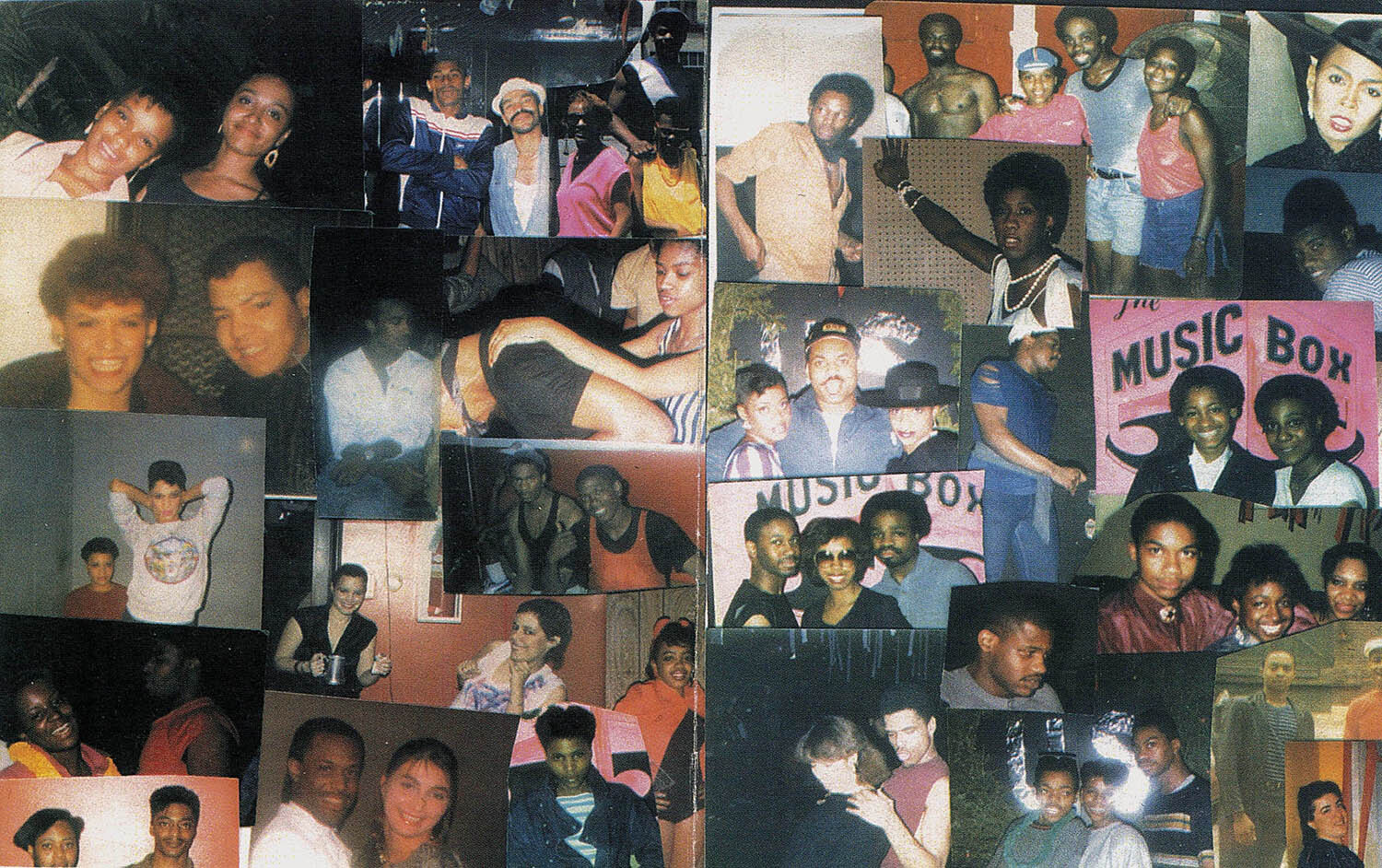
The most interesting cultural movements always came from the opposing conditions. People like J Dilla reshaping rhythm in ways nobody expected. Warp Records pushed electronic music into completely new territory with artists like Aphex Twin and Autechre. The early warehouse techno scenes in Chicago, Detroit, London, and Berlin evolved into a global culture that started in basements and abandoned buildings. Even the early Burning Man gatherings evolved from small experimental communities into something that would later influence global art and festival culture.
None of that came from ‘optimization’. It came from rooms, chats, online and in person, it came from house parties, it came from cafes, it came from places others didn’t want to go, or didn’t even know about, slightly harder to find but worth the effort upon arrival. Places where people were experimenting together before anyone knew whether the thing would work.
You can already see a quiet rebuild happening. A growing number of independent platforms and communities are emerging that are trying to reorient culture away from algorithmic feeds and back toward people, scenes, and shared ownership. Friends With Benefits organizing global gatherings around music and culture instead of engagement metrics. Nina Protocol experimenting with artist-first music releases that bypass streaming platforms entirely. Subvert attempting to build a collectively owned successor to Bandcamp. Projects like Metalabel, rethinking how creative work gets published and supported. Meanwhile platforms like Are.na and Cosmos have quietly become the places where artists and researchers organize ideas outside the noise of social media.
Independent cultural infrastructures like The Lot Radio continuing to evolve are part of the same instinct: rebuilding environments where culture can actually evolve again. None of these systems are perfect yet, but they all point in the same direction — organizations working outside of the algorithmic internet with a recognition that if interesting things are going to keep happening, new kinds of cultural infrastructure have to exist around the communities creating them. So for us, thinking about the platform or infrastructure that is something physical, present, representing these spaces globally, as a network, and an ecosystem, is exactly why we started building IRL.
As we talked to musicians, visual artists, DJs right now we could hear the same frustration over and over again. Everything feels a little too optimized. Too packaged. Too safe. And what they’re actually saying underneath that is simple: they want environments where things can still be interesting and where independence can thrive.
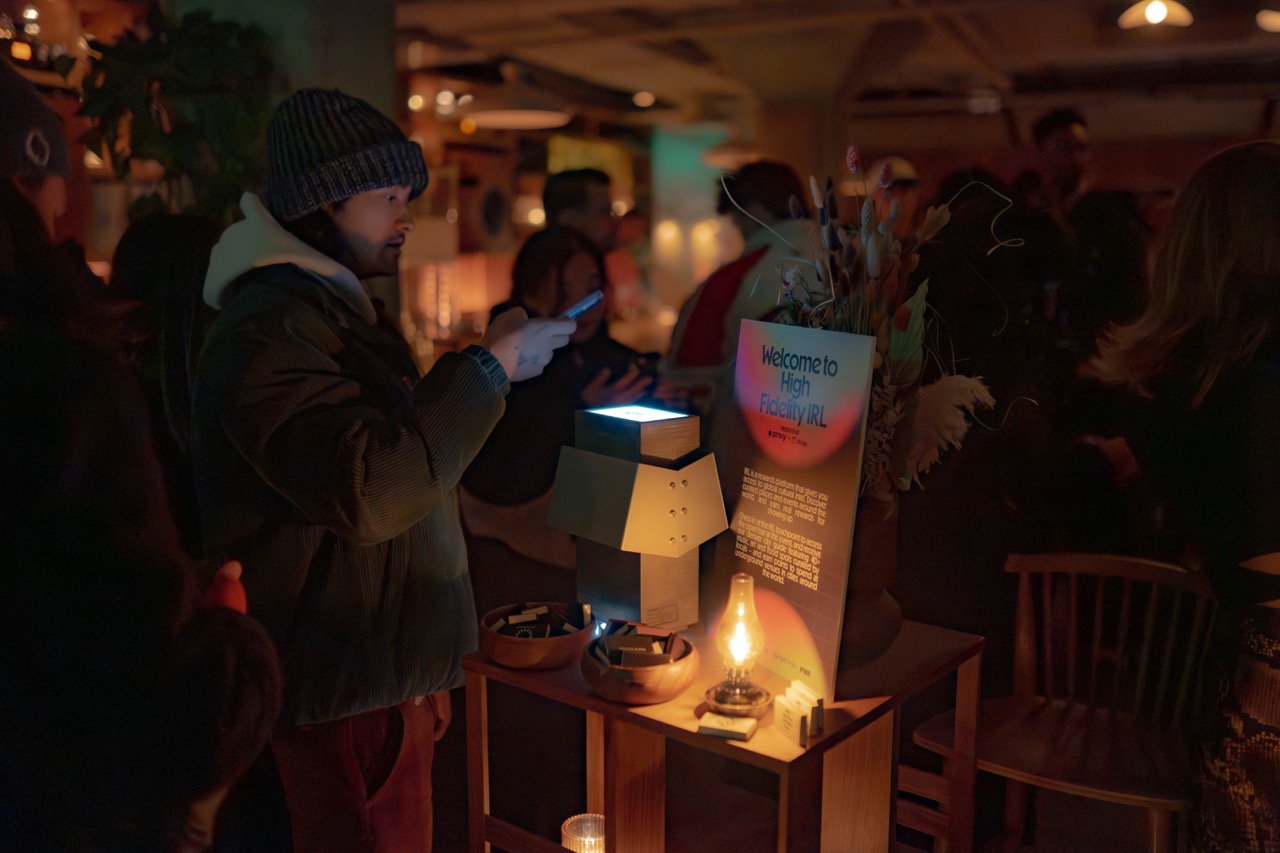
IRL has come out of what we had been building with Refraction, collectively running events for years in more than thirty cities at the point IRL became a topic of conversation. Through that work we had built relationships with venues, promoters, artists, cultural organizers all over the world. What kept coming up in conversations everywhere was the same question: ‘How do these spaces actually survive?’ Almost every venue, every promoter, every small cultural operator was facing the same structural pressures — rising costs, shrinking margins, increasingly extractive platforms around them. Everyone has been navigating it alone.
IRL started as a response to that. Not another event series. Not just a platform but really thinking about infrastructure. A network that connects venues, artists, and audiences so that participation itself generates value for the ecosystem. City guides built from real curatorial knowledge — not algorithmic ranking, not sponsored placement, but people who actually know where culture lives in their cities. When you show up at a venue, you check in. That value circulates back into the network instead of leaving it. The people who participate become part of sustaining the culture they care about. Which sounds simple but structurally, it’s very different from how things work today.
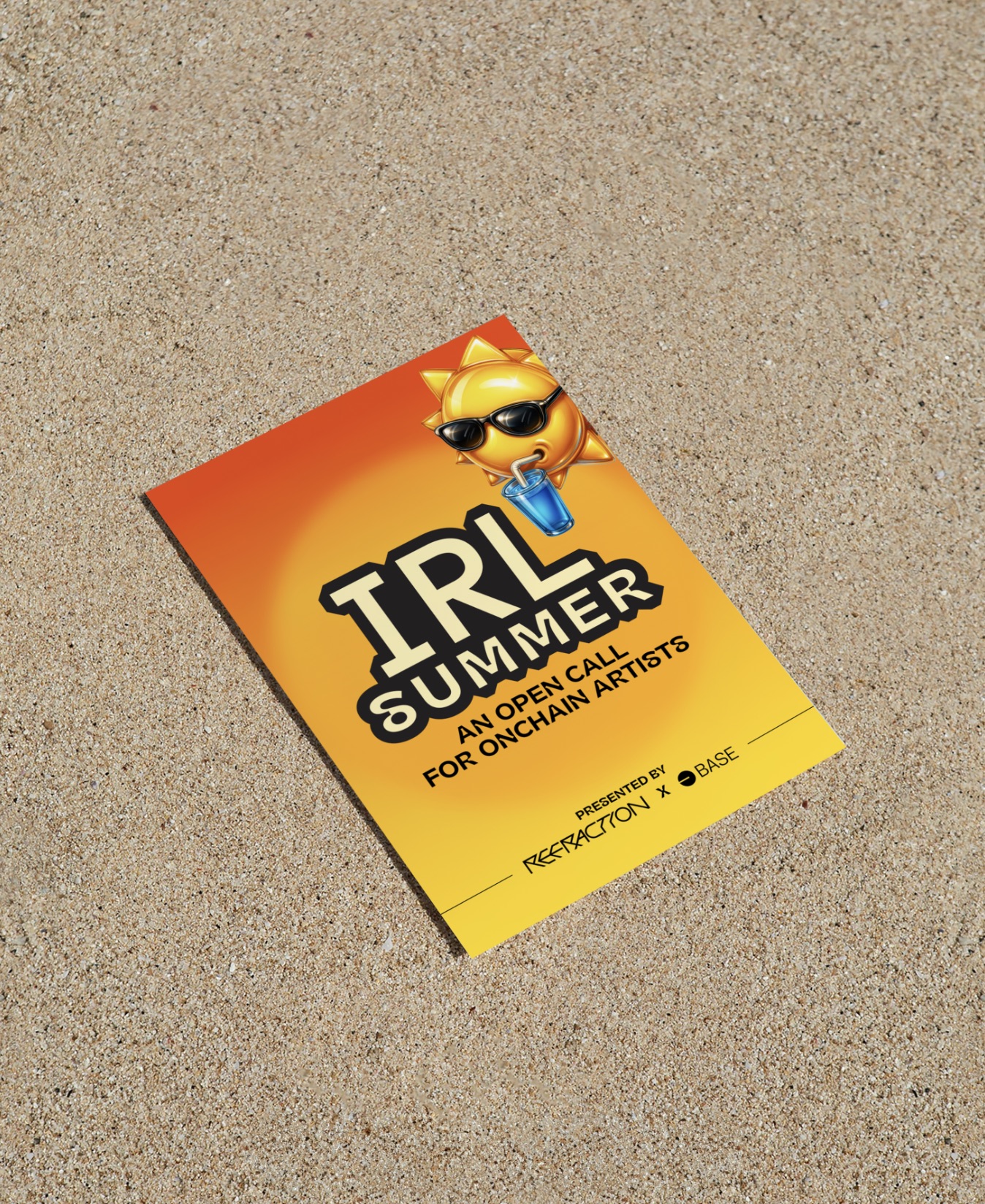
We saw that immediately once we did our Open Call for the IRL Tour. Local promoters and communities got it right away. Because it reflected something they were already trying to do: build sustainable ecosystems around culture. Since then they have started contributing ideas. Adding venues. Connecting people. It feels less like launching something and more like unlocking something that already existed, which is a network that just needs infrastructure.
Scenes grow from the ground up, they always have and they always will. If those rooms disappear, culture becomes flatter, safer, more predictable. More corny. But if those rooms survive, if they actually have the infrastructure to support themselves, then culture keeps evolving, and things stay interesting.
And at the end of the day, that is the whole point.
Want to be a part of IRL?



.png)



.png)

